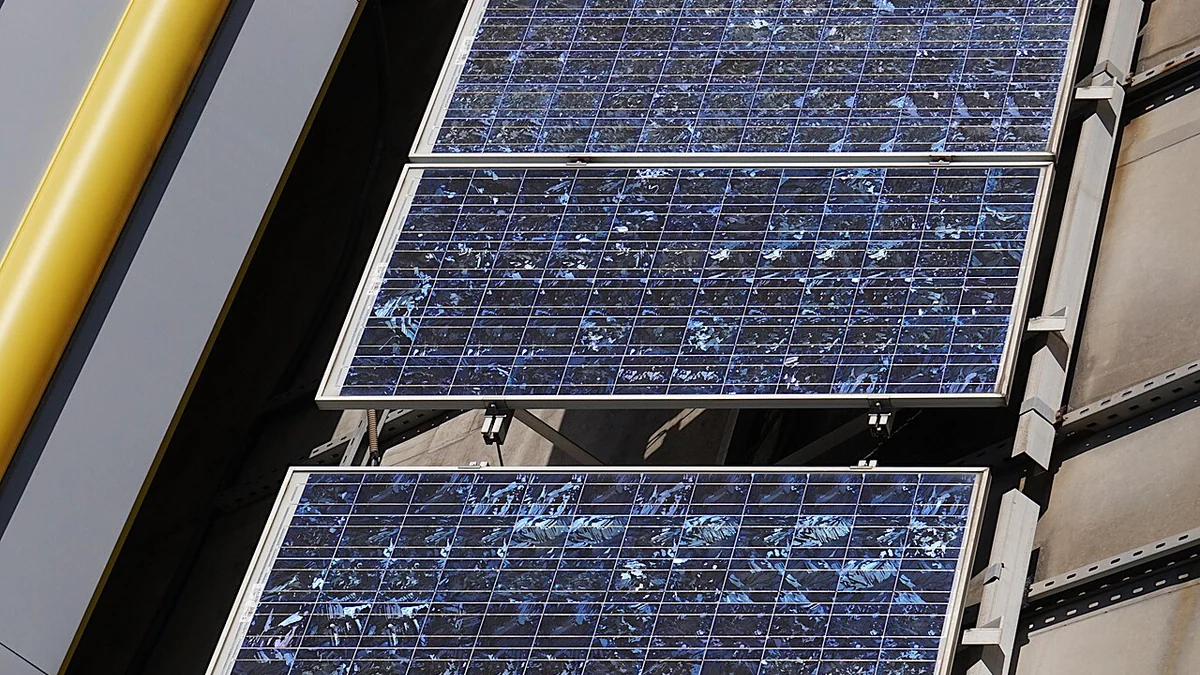
2026 Head-to-Head Engineering Comparison
Trina TSM-445NEG9RH.25 vs LONGi LR5-54HABD-420M
High-Voltage vs Standard 108-Cell N-Type — side-by-side comparison grounded in CEC registry data (snapshot ) & international IEC technical datasheets.
Trina TSM-445NEG9RH.25 vs LONGi LR5-54HABD-420M: Which One Wins?
Trina TSM-445NEG9RH.25 (445W, 22.5% eff., Mono-c-Si) and LONGi LR5-54HABD-420M (420W, 22.1% eff., Mono-c-Si) deliver nearly matched conversion efficiency within 0.4 percentage points. Your practical separator is open-circuit voltage (35.7V vs 37.8V Voc for string sizing), heat derating (-0.29%/°C vs -0.35%/°C), and local installer pricing.
When to Choose Trina TSM-445NEG9RH.25
Choose Trina TSM-445NEG9RH.25 (UL 61730 US kit-ready) if you prioritize its 445W output, 22.5% efficiency, monofacial roof simplicity, and -0.29%/°C temperature stability.
When to Choose LONGi LR5-54HABD-420M
Choose LONGi LR5-54HABD-420M (UL 61730 US kit-ready) if you want 420W Mono-c-Si architecture (22.1% efficiency, 37.8V Voc) or sharper local distributor $/W quotes from LONGi.
Tie-Breaker Note: Key engineering factor: verify cold-weather NEC 690.7 string voltage (39.8V vs 42.3V at -20°C) and compare turnkey $/W rather than datasheet STC watts alone.

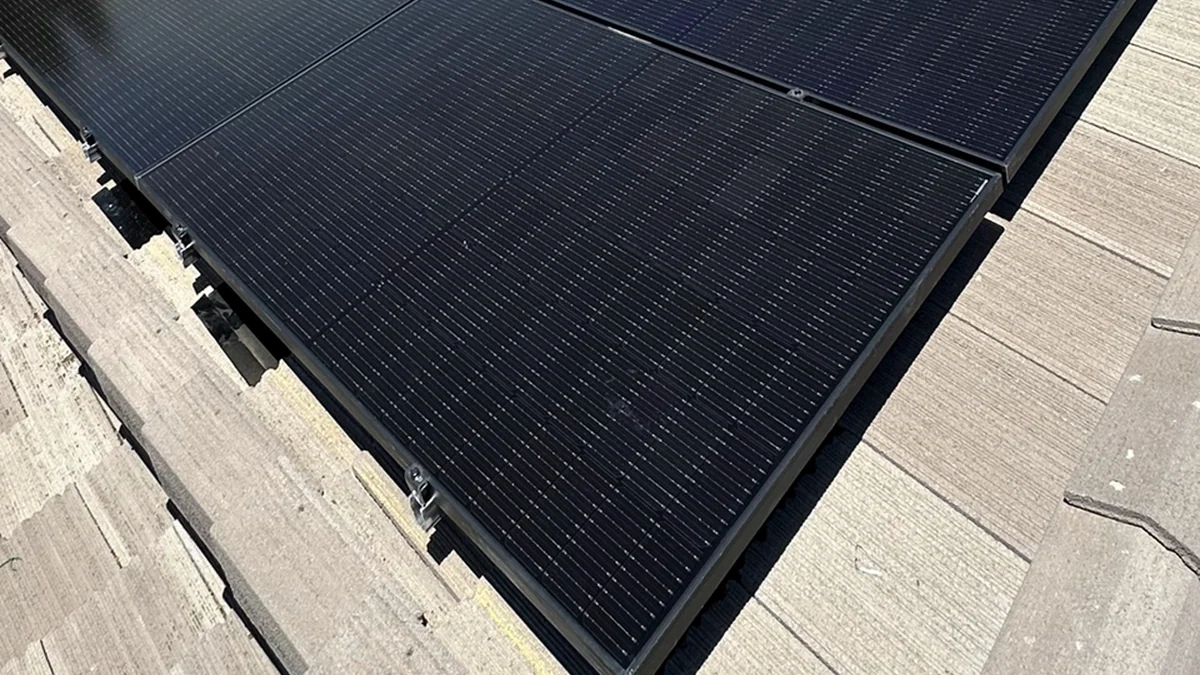
Spec-by-Spec Comparison Matrix
| Technical Metric | Trina TSM-445NEG9RH.25 | LONGi LR5-54HABD-420M |
|---|---|---|
| Nameplate Power (STC) | 445 W ✓ | 420 W |
| Real-World Power (PTC) | 420.8 W (94.6%) ✓ | 392.3 W (93.4%) |
| Module Efficiency | 22.47% ✓ | 22.11% |
| Heat Temp Coeff (γPmax) | -0.291%/°C ✓ | -0.349%/°C |
| Max Panels / 600V String (−10°C) | 15 ✓ | 14 |
| Cell Tech & Bifacial | Mono-c-Si | Mono-c-Si (Bifacial) |
| US CEC Listing Status | CEC-Listed · Residential | CEC-Listed · Residential |
Comparison FAQ — Trina TSM-445NEG9RH.25 vs LONGi LR5-54HABD-420M
Which is better in 2026: Trina TSM-445NEG9RH.25 or LONGi LR5-54HABD-420M?
Trina TSM-445NEG9RH.25 (445W, 22.5% eff., Mono-c-Si) and LONGi LR5-54HABD-420M (420W, 22.1% eff., Mono-c-Si) deliver nearly matched conversion efficiency within 0.4 percentage points. Your practical separator is open-circuit voltage (35.7V vs 37.8V Voc for string sizing), heat derating (-0.29%/°C vs -0.35%/°C), and local installer pricing.
When should I choose Trina TSM-445NEG9RH.25 over LONGi LR5-54HABD-420M?
Choose Trina TSM-445NEG9RH.25 (UL 61730 US kit-ready) if you prioritize its 445W output, 22.5% efficiency, monofacial roof simplicity, and -0.29%/°C temperature stability. Conversely, Choose LONGi LR5-54HABD-420M (UL 61730 US kit-ready) if you want 420W Mono-c-Si architecture (22.1% efficiency, 37.8V Voc) or sharper local distributor $/W quotes from LONGi.
Are both Trina TSM-445NEG9RH.25 and LONGi LR5-54HABD-420M eligible for US residential permits?
Trina TSM-445NEG9RH.25 is marked CEC-Listed for US residential systems. LONGi LR5-54HABD-420M is marked CEC-Listed for US residential systems. Always verify current UL certificates with your local Authority Having Jurisdiction (AHJ).
More 2026 Head-to-Head Comparisons
Qcells Q.TRON BLK M-G2.D+ 415 vs REC Alpha Pure-RX 440WQcells Q.TRON BLK M-G2.D+ 415 vs Silfab SIL-440QDQcells Q.TRON BLK M-G2.D+ 415 vs JinkoSolar JKM440N-54HL4-BREC Alpha Pure-RX 440W vs Maxeon SPR-MAX6-445REC Alpha Pure-RX 440W vs Silfab SIL-440QDJinkoSolar JKM440N-54HL4-B vs Canadian Solar CS6.2-48TM-430H