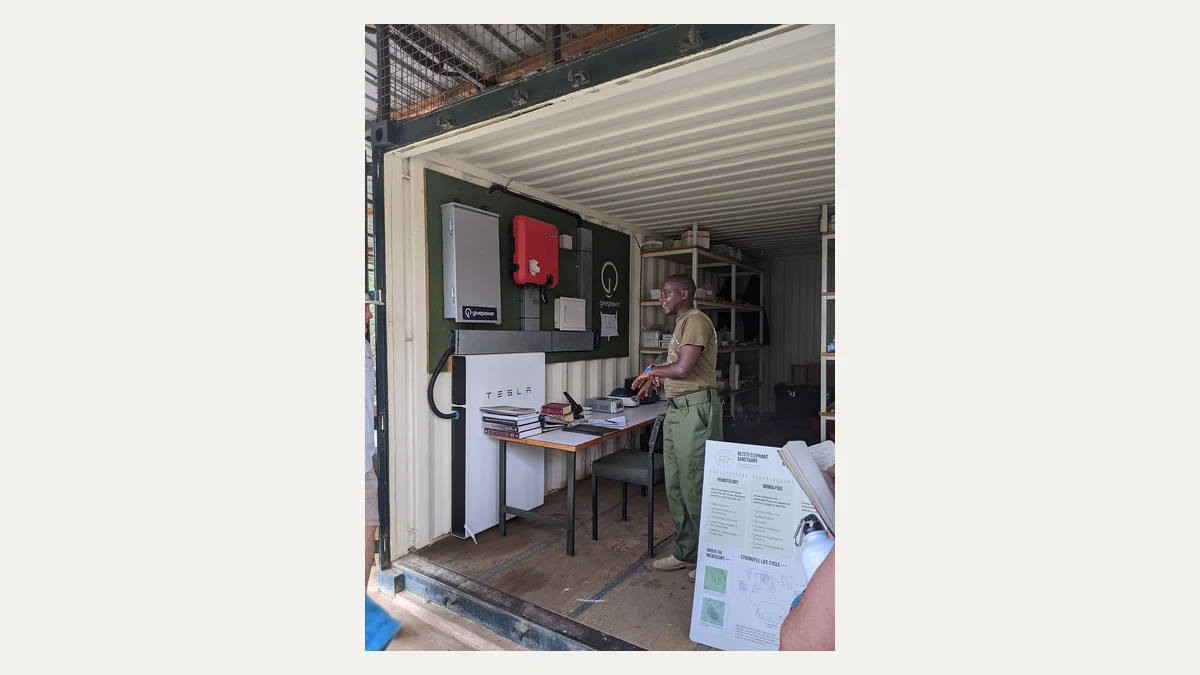
2026 Head-to-Head Engineering Comparison
Tesla Powerwall 3 (13.5 kWh) vs SolarEdge Home Battery (9.7 kWh)
DC-Coupled Whole-Home ESS Comparison — side-by-side comparison grounded in CEC registry data (snapshot ) & international IEC technical datasheets.
Tesla Powerwall 3 (13.5 kWh) vs SolarEdge Home Battery (9.7 kWh): Which One Wins?
Tesla Powerwall 3 (13.5 kWh) packs 13.5 kWh usable capacity with 11.5 kW continuous output (DC-coupled / integrated PV, 97.5% RTE), versus SolarEdge Home Battery (9.7 kWh) at 9.7 kWh and 5 kW continuous (DC-coupled / integrated PV, 94.5% RTE). Tesla Powerwall 3 (13.5 kWh) leads on single-unit stored energy while Tesla Powerwall 3 (13.5 kWh) delivers stronger continuous backup wattage for heavy 240V loads.
When to Choose Tesla Powerwall 3 (13.5 kWh)
Choose Tesla Powerwall 3 (13.5 kWh) if you want 13.5 kWh per unit, 11.5 kW continuous discharge (7.9 hrs essential-load runtime), and dc-coupled / integrated pv integration (LFP (LiFePO4)).
When to Choose SolarEdge Home Battery (9.7 kWh)
Choose SolarEdge Home Battery (9.7 kWh) if you prefer 9.7 kWh modular sizing, 5 kW output (5.5 hrs essential-load runtime), and dc-coupled / integrated pv compatibility with your inverter ecosystem.
Tie-Breaker Note: Key engineering factor: continuous kW output + AC LRA motor-starting surge vs installed $/kWh and whether you are building new solar (DC-coupled advantage) or retrofitting an existing array (AC-coupled simplicity).


Spec-by-Spec Comparison Matrix
| Technical Metric | Tesla Powerwall 3 (13.5 kWh) | SolarEdge Home Battery (9.7 kWh) |
|---|---|---|
| Usable Energy Capacity | 13.5 kWh ✓ | 9.7 kWh |
| Max Continuous Discharge | 11.5 kW ✓ | 5 kW |
| Round-Trip Efficiency | 97.5% ✓ | 94.5% |
| 1.5 kW Outage Runtime | 8.9 hrs ✓ | 6.3 hrs |
| Battery Chemistry | LFP (LiFePO4) | NMC / Lithium-Ion |
| UL 9540 / US Listing | UL 9540 (Ed. 3) / UL 1741-SB (US Residential) | UL 9540 / UL 9540A (US Residential) |
Comparison FAQ — Tesla Powerwall 3 (13.5 kWh) vs SolarEdge Home Battery (9.7 kWh)
Which is better in 2026: Tesla Powerwall 3 (13.5 kWh) or SolarEdge Home Battery (9.7 kWh)?
Tesla Powerwall 3 (13.5 kWh) packs 13.5 kWh usable capacity with 11.5 kW continuous output (DC-coupled / integrated PV, 97.5% RTE), versus SolarEdge Home Battery (9.7 kWh) at 9.7 kWh and 5 kW continuous (DC-coupled / integrated PV, 94.5% RTE). Tesla Powerwall 3 (13.5 kWh) leads on single-unit stored energy while Tesla Powerwall 3 (13.5 kWh) delivers stronger continuous backup wattage for heavy 240V loads.
When should I choose Tesla Powerwall 3 (13.5 kWh) over SolarEdge Home Battery (9.7 kWh)?
Choose Tesla Powerwall 3 (13.5 kWh) if you want 13.5 kWh per unit, 11.5 kW continuous discharge (7.9 hrs essential-load runtime), and dc-coupled / integrated pv integration (LFP (LiFePO4)). Conversely, Choose SolarEdge Home Battery (9.7 kWh) if you prefer 9.7 kWh modular sizing, 5 kW output (5.5 hrs essential-load runtime), and dc-coupled / integrated pv compatibility with your inverter ecosystem.
Are both Tesla Powerwall 3 (13.5 kWh) and SolarEdge Home Battery (9.7 kWh) eligible for US residential permits?
Tesla Powerwall 3 (13.5 kWh) is marked CEC-Listed for US residential systems. SolarEdge Home Battery (9.7 kWh) is marked CEC-Listed for US residential systems. Always verify current UL certificates with your local Authority Having Jurisdiction (AHJ).
More 2026 Head-to-Head Comparisons
Tesla Powerwall 3 (13.5 kWh) vs FranklinWH aPower 2 (15 kWh)Tesla Powerwall 3 (13.5 kWh) vs Enphase IQ Battery 5P (5 kWh)Tesla Powerwall 3 (13.5 kWh) vs EG4 WallMount AllWeather (14.3 kWh)FranklinWH aPower 2 (15 kWh) vs Enphase IQ Battery 10C (10 kWh)EG4 WallMount AllWeather (14.3 kWh) vs Fortress Power DuraRack (10.75 kWh)FranklinWH aPower 2 (15 kWh) vs sonnen ECOLX10 (10 kWh)