Arizona Solar Panel Cost, Rebates & Net Metering (2026)
Arizona averages America’s highest solar irradiance (6.4 peak sun hours, $2.65/W cash), but APS/SRP peak demand charges and 115°F summers make battery peak-shaving critical.
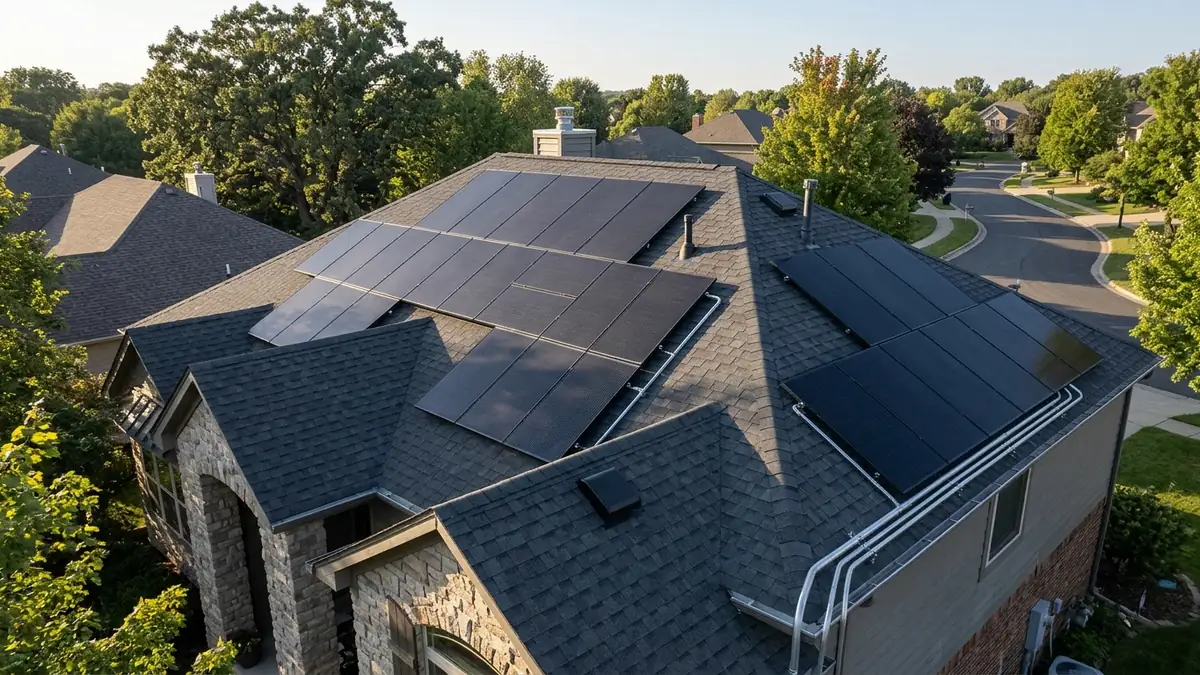
2026 Arizona Installed Cost Benchmarks
| Residential Upgrade | 2026 AZ Typical Range | Engineering & Incentive Note |
|---|---|---|
| 10 kW Solar Array (Cash) | $25,000 – $27,500 | Produces ~17,500–19,000 kWh/yr in Phoenix |
| 200A Stucco Meter-Main Upgrade | $2,600 – $4,800 | Verify Arizona ROC license active |
| 4-Ton Variable-Speed Heat Pump | $8,500 – $16,500 | High-ambient condenser rated for 120°F+ |
Solar Payback & Net Metering in Arizona (2026)
Arizona has the lowest $/kWh solar production cost in the US thanks to 6.4 peak sun hours and $2.60–$2.75/W pricing. After federal Section 25D expired Dec 31, 2025 under P.L. 119-21, buyers weigh low cash $/W against 30% Section 48E TPO leases/PPAs; under APS RCP export rates (~7.6¢/kWh) and SRP demand-charge plans, pairing solar with an LFP battery for 4–7 PM peak discharge protects savings.
Arizona Efficiency & Rebates (HEAR/HOMES) rolling out via OER
200-Amp Electrical Panel & EV Charger Considerations
200A panel upgrades run $2,300–$4,100 under Arizona ROC-licensed contractors; watch out for older stucco-flush meter-main combos in 1980s Phoenix subdivisions (stucco patching adds $600–$1,200).
Contractor Licensing Authority: Arizona Registrar of Contractors (ROC).
Climate Zone (2B–3B) & Heat Pump / SEER2 Engineering
Grid & Climate Profile: WECC (APS, Salt River Project SRP, Tucson Electric Power TEP). IECC Zones 2B–3B: Brutal 115°F Phoenix/Tucson design temperatures, 3,000+ cooling hours, peak 4–7 PM utility demand fees.
Because summer AC failure at 115°F is a serious health hazard, high-efficiency 16–19 SEER2 R-454B heat pumps and annual spring capacitor/coil inspections are critical in Phoenix and Tucson.
Primary Data Sources
- U.S. Energy Information Administration (EIA) — Electric Power Monthly: State-level residential retail electricity rate benchmarks (15.4¢/kWh reference).
- DSIRE — Database of State Incentives for Renewables & Efficiency: Active state net metering tariffs, SREC programs, and utility rebates.
- NREL PVWatts & NSRDB Solar Resource Data: Peak Sun Hours (6.4 hrs/day) and latitude irradiance benchmarks.
- IRS Clean Energy Credits & P.L. 119-21 Guidance: Federal Section 25D expiration (Dec 31, 2025) and commercial Section 48E TPO rules.