Florida Solar Panel Cost, Rebates & Net Metering (2026)
Florida preserves full 1:1 retail net metering and zero solar sales tax in 2026 ($2.60/W cash), with 200A upgrades costing $2,300–$4,100 and strict hurricane wind-load rules.
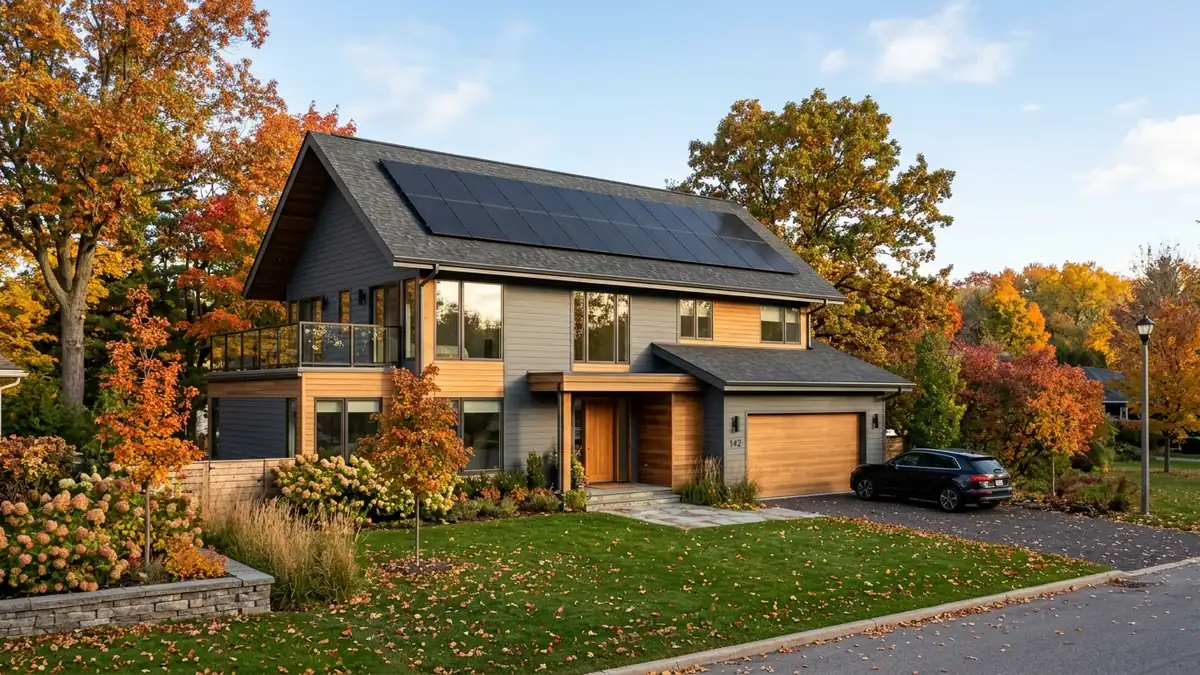
2026 Florida Installed Cost Benchmarks
| Residential Upgrade | 2026 FL Typical Range | Engineering & Incentive Note |
|---|---|---|
| 10 kW Solar Array (Cash, 1:1 NEM) | $24,500 – $27,500 | Keep AC rating ≤10 kW to stay in Tier 1 interconnection |
| 200A Panel + Surge Protector | $2,300 – $4,100 | Clears 4-point insurance FPE/Zinsco flags |
| 3.5-Ton High-SEER2 Heat Pump | $7,400 – $14,200 | Variable-speed inverter best for latent dehumidification |
Solar Payback & Net Metering in Florida (2026)
Florida remains a strong residential solar state in 2026 thanks to preserved 1:1 retail net metering, 5.5 peak sun hours, 100% sales and property tax exemptions, and competitive $2.55–$2.75/W cash pricing. Because federal Section 25D ended Dec 31, 2025 under P.L. 119-21, compare cash quotes directly against 30% Section 48E TPO (lease/PPA) offers while watching Tier 2 (>10 kW AC) $1M liability insurance requirements.
Utility rebates active (FPL/Duke/TECO); FL declined federal HEAR funds
200-Amp Electrical Panel & EV Charger Considerations
Four-point insurance inspections aggressively reject Federal Pacific, Zinsco, and Challenger panels statewide. Whole-home Type 1/Type 2 surge protection (NEC 230.67) is essential given Florida lightning density.
Contractor Licensing Authority: Florida DBPR (ECLB Electrical, CILB HVAC/Roofing).
Climate Zone (1A–2A) & Heat Pump / SEER2 Engineering
Grid & Climate Profile: FRCC (Florida Power & Light, Duke Energy Florida, Tampa Electric TECO, JEA). IECC Zones 1A–2A: Extreme latent humidity, 2,800+ cooling hours, Category 4–5 HVHZ wind loads (175+ mph Miami-Dade NOA), lightning surge risk.
Never oversize Florida AC tonnage — oversized units cool air too fast without pulling out latent humidity, causing indoor mold risk. Florida Building Code requires proper Manual J/S/D load sheets for HVAC permits.
Primary Data Sources
- U.S. Energy Information Administration (EIA) — Electric Power Monthly: State-level residential retail electricity rate benchmarks (15.1¢/kWh reference).
- DSIRE — Database of State Incentives for Renewables & Efficiency: Active state net metering tariffs, SREC programs, and utility rebates.
- NREL PVWatts & NSRDB Solar Resource Data: Peak Sun Hours (5.5 hrs/day) and latitude irradiance benchmarks.
- IRS Clean Energy Credits & P.L. 119-21 Guidance: Federal Section 25D expiration (Dec 31, 2025) and commercial Section 48E TPO rules.