North Carolina Solar Panel Cost, Rebates & Net Metering (2026)
North Carolina leads the Southeast in 2026 with live Energy Saver NC (HEAR) rebates and Duke Energy PowerPair paying up to $9,000 upfront for residential solar + battery.
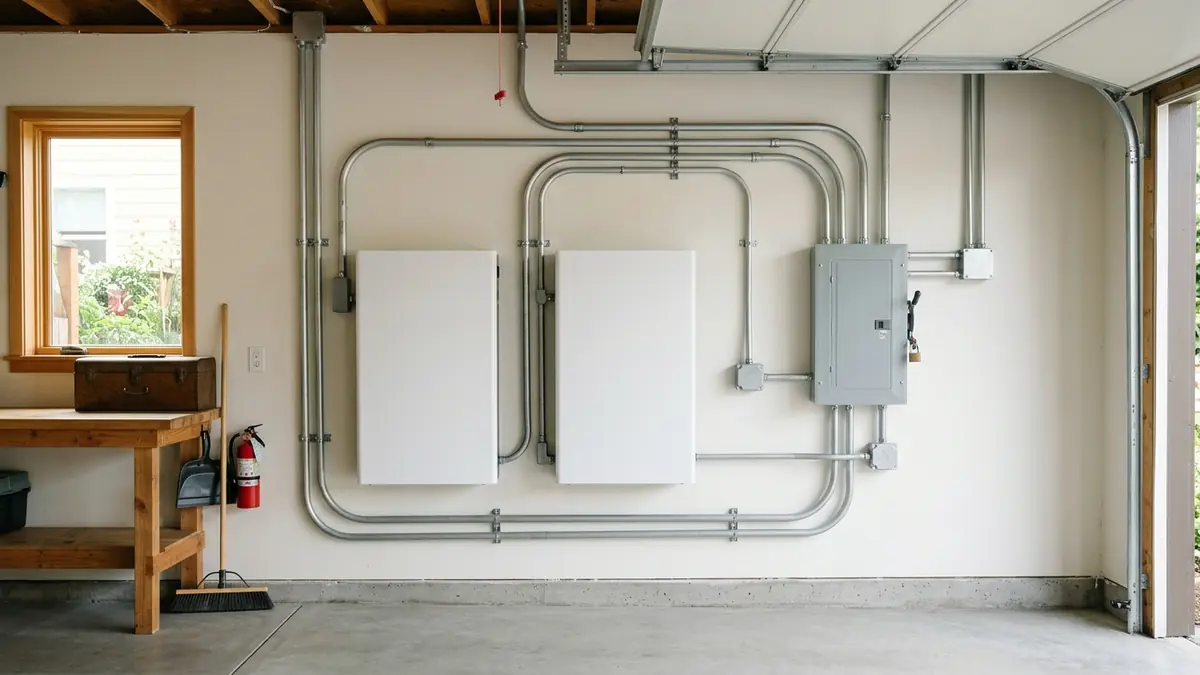
2026 North Carolina Installed Cost Benchmarks
| Residential Upgrade | 2026 NC Typical Range | Engineering & Incentive Note |
|---|---|---|
| Solar + LFP Battery (Pre-PowerPair) | $33,500 – $38,500 | Up to $9,000 Duke PowerPair incentive |
| 200A Panel Upgrade | $2,300 – $4,100 | NCBEEC licensed electrical contractor required |
| SEER2 Heat Pump System | $7,600 – $14,600 | Eligible under Energy Saver NC HEAR |
Solar Payback & Net Metering in North Carolina (2026)
Duke Energy’s net metering bridge shifted exports to Time-of-Use avoided-cost credits, and federal Section 25D ended Dec 31, 2025 under P.L. 119-21 (while Section 48E retains a 30% credit for TPO leases/PPAs). The major 2026 driver in North Carolina is Duke Energy PowerPair: up to $9,000 upfront ($3,600 solar + $5,400 battery) plus annual Battery Control credits for pairing solar with LFP storage.
NC DEQ Energy Saver NC (HEAR/HOMES) live + Duke Energy PowerPair battery rebate (up to $9,000)
200-Amp Electrical Panel & EV Charger Considerations
Rapid EV growth in Charlotte, Raleigh-Durham, and Cary drives strong 200A panel ($2,300–$4,100) and hardwired 48A charger demand. Energy Saver NC (HEAR) is live for eligible households upgrading panels and heat pumps.
Contractor Licensing Authority: NC State Board of Examiners of Electrical Contractors / Plumbing, Heating & Fire Sprinkler.
Climate Zone (3A–4A) & Heat Pump / SEER2 Engineering
Grid & Climate Profile: Duke Energy Carolinas, Duke Energy Progress, Dominion Energy NC, NC Electric Cooperatives. IECC Zones 3A–4A: Humid Piedmont/Coastal summers, winter ice storms in Western NC, Duke TOU net-billing structure.
North Carolina’s mild-to-moderate winters make air-source heat pumps the most economical heating choice across 85% of the state.
Primary Data Sources
- U.S. Energy Information Administration (EIA) — Electric Power Monthly: State-level residential retail electricity rate benchmarks (14.3¢/kWh reference).
- DSIRE — Database of State Incentives for Renewables & Efficiency: Active state net metering tariffs, SREC programs, and utility rebates.
- NREL PVWatts & NSRDB Solar Resource Data: Peak Sun Hours (5 hrs/day) and latitude irradiance benchmarks.
- IRS Clean Energy Credits & P.L. 119-21 Guidance: Federal Section 25D expiration (Dec 31, 2025) and commercial Section 48E TPO rules.